

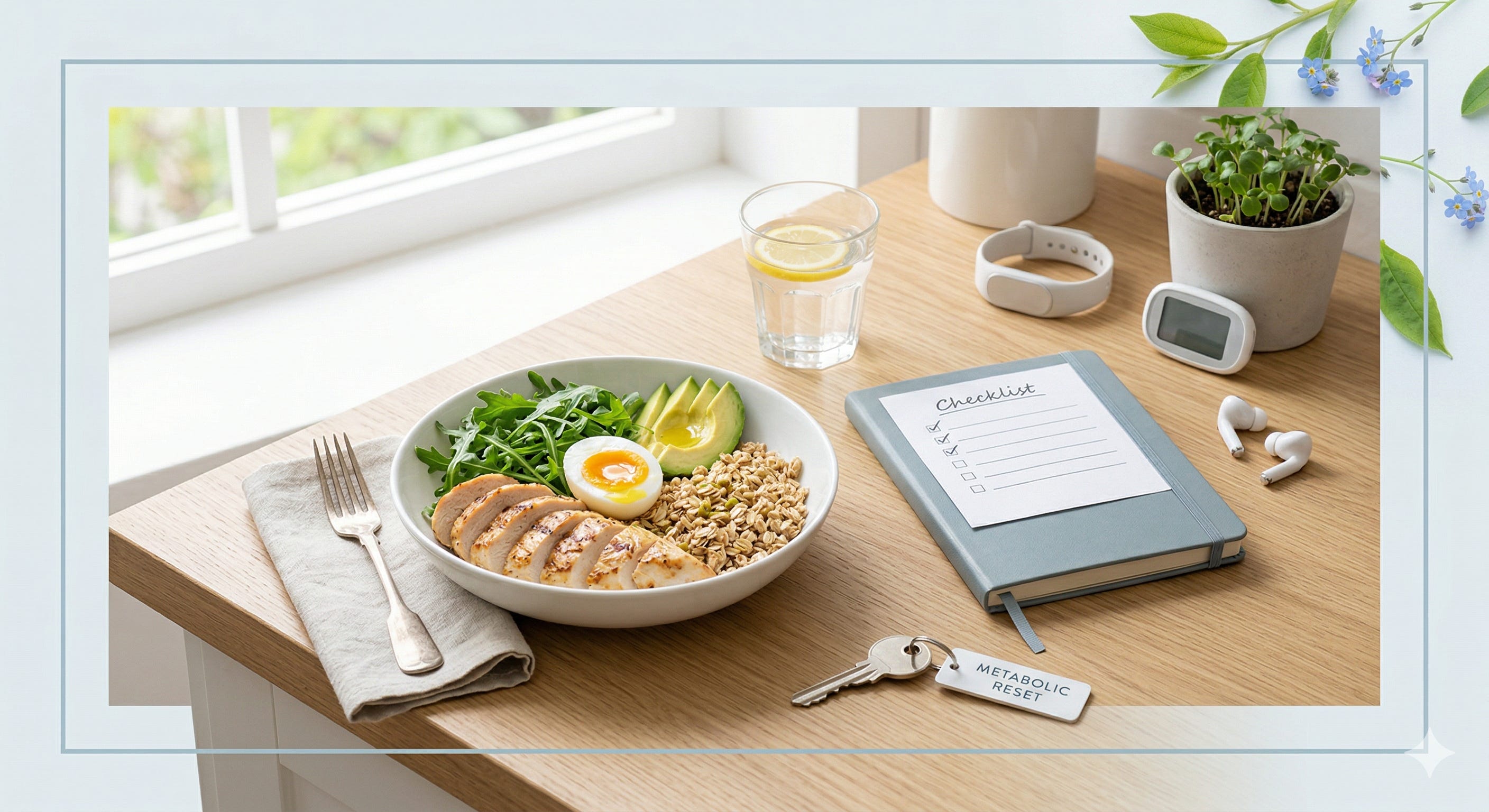
As the seasons change, so does our biology. March is a time of transition — moving away from winter’s slower rhythm and into a season of activation. This month, we focus on mastering your body’s internal “Volume Knob” — learning to distinguish between true physical hunger and external food noise, and using that awareness to build habits that last.
1. Medication & Clinical Support
GLP-1 Medications (Zepbound®, Wegovy®)
These medications work by strengthening GLP-1 signals between your gut and your brain — especially in the areas that control hunger. Many patients notice:
• Less “food noise” and intrusive cravings
• Feeling full sooner during meals
• Greater control over emotional eating triggers
March is an excellent time to use that support to build lasting habits in nutrition, movement, and self-awareness.
Clinical Alternatives
If GLP-1 medications are not currently an option, several effective and more affordable medications may be considered, including:
• Phentermine: helps reduce appetite
• Topiramate: helps decrease cravings
• Bupropion / Naltrexone (Contrave®): works on reward pathways and appetite
These are used safely and with close monitoring. Our goal is to match the right treatment to your metabolism, your health history, and your situation.

2. Supporting Your Body’s Own Fullness Hormones
Your body naturally produces GLP-1. Specialized cells in your gut release this hormone after you eat, helping with fullness, blood sugar regulation, and digestion. Certain foods and habits can support how well these cells work.
Fiber Feeds Your Gut Bacteria
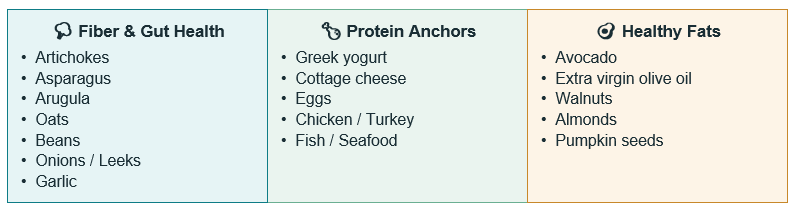
Prebiotic fiber-rich foods — such as oats, onions, garlic, leeks, beans, and artichokes — feed healthy gut bacteria. These bacteria produce compounds called short-chain fatty acids (SCFAs) that can signal your gut to release more natural fullness hormones. Aim to include at least one high-fiber plant food at two meals per day.
Protein Sends Strong “Fullness Signals”
Protein is the most filling macronutrient. It helps trigger a satiety cascade — including GLP-1 and other fullness hormones — that tells your brain you’re satisfied. Try eating your protein first at meals to turn on those signals earlier.
Good sources: eggs, Greek yogurt, chicken, fish, cottage cheese.
Healthy Fats: “Slow and Steady” Energy
Monounsaturated fats — like those in extra-virgin olive oil, avocados, and nuts — help slow digestion and support fullness signals when eaten as part of a balanced meal. Try swapping butter or cream sauces for a drizzle of olive oil or a few avocado slices.
3. Self-Awareness: Mastering the “Volume Knob”
Self-awareness is the manual override for your metabolism. This month, practice identifying where your appetite is actually coming from.

The 20-Minute Rule
It often takes around 20 minutes for your gut-to-brain fullness signals — including GLP-1 — to be fully “heard” by your brain. Try to let your meals last at least 20 minutes:
• Put your fork down between bites
• Take a sip of water between every few bites
• Pause halfway through your plate before continuing
• Chew slowly and thoroughly
When food noise hits: set a 10-minute timer, drink a glass of water or herbal tea, and check in with your body again before eating.
4. Movement: Why It Matters for Metabolism
Spring movement isn’t about “burning off” food. It’s about insulin sensitivity and hormonal balance — two key drivers of long-term metabolic health.
Post-Meal Walking
A 10–15 minute walk after your largest meal helps your muscles absorb glucose and reduces after-meal blood sugar spikes. This directly supports insulin sensitivity and long-term fat metabolism. It’s one of the simplest, most evidence-backed habits you can build this month.
Morning Light Reset
Getting 10 minutes of natural sunlight before 10:00 AM helps regulate your appetite hormones, sleep cycles, and mood. Even a brief walk outside counts. If possible, try to make this a daily habit — especially for those with variable schedules or shift work.
5. Your March Metabolic Grocery List
✅ Your March Metabolic Reset Checklist
☐ Eat protein first at every meal
☐ Include a fiber-rich food at two meals per day
☐ Let meals last at least 20 minutes — put the fork down between bites
☐ Take a 10–15 minute walk after your largest meal
☐ Get 10 minutes of natural sunlight before 10:00 AM (if possible)
☐ When food noise hits, set a 10-minute timer and drink water first
☐ Add olive oil, avocado, or nuts to at least one meal daily
Small, consistent habits create powerful metabolic change.
A Note for Your Journey
Success isn’t defined by one medication or a number on the scale. It’s built through consistent habits and a growing understanding of how your own body works. Whether we are fine-tuning your medication or leaning into nutrition and self-awareness, your path is uniquely yours.
Let’s use this month to wake up your metabolism — and build sustainable momentum for the seasons ahead.
This handout is for educational purposes. Please discuss any changes to your medication or health plan with your provider.