

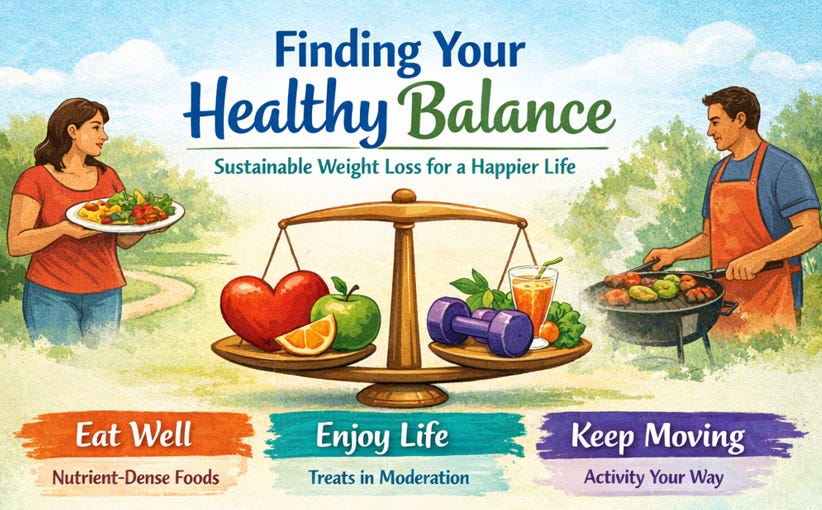
Weight loss is not about punishment, perfection, or giving up everything you enjoy. It’s about building
a healthier life that you can actually live—one that includes joy, flexibility, and confidence along the
way. As your healthcare providers, our goal is not only to help you lose weight, but to help you feel
better, move better, and enjoy life more fully.
Balance Is the Key to Long-Term Success
Healthy eating and regular movement are important, but they don’t require extremes. You can still
enjoy meals, social events, and special occasions while making choices that support your goals.
Progress comes from consistency, not restriction.
Focus on nutrient-dense foods most of the time
Allow room for enjoyment without guilt
Remember that one meal or one day never defines your journey
When your plan feels realistic and enjoyable, it becomes sustainable.
Set Realistic, Achievable Goals

Big changes start with small, steady steps. Unrealistic expectations often lead to frustration, while
realistic goals build confidence and momentum.
Examples of realistic goals:
Losing 1–2 pounds per week
Adding 10–15 minutes of activity a day
Improving energy levels, sleep, or mobility
Making healthier food swaps rather than cutting foods out completely
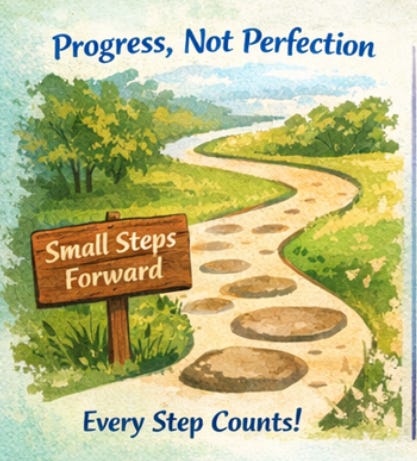
Every positive step forward counts—even when progress feels slow.
Movement That Fits Your Life
Exercise doesn’t have to mean hours in a gym. The best kind of movement is the one you’ll actually do.

Walking, stretching, swimming, dancing, or strength training all count
Start where you are and build gradually
Focus on feeling stronger and more capable, not just the scale
Movement supports weight loss, protects your health, and improves mood and energy.
Keep Your Appointments—They Matter More Than You Think

One of the strongest predictors of success in a weight-loss program is consistent follow-up.
Keeping your appointments allows us to:
Track progress beyond the scale
Adjust your plan when needed
Address challenges early
Celebrate wins and keep you motivated
Even when you feel discouraged or “off track,” showing up increases your chances of long-term
success. Progress is rarely a straight line—and that’s okay.
You Don’t Have to Do This Alone
Weight loss is a journey, not a test you have to pass. Your care team is here to guide, support, and
encourage you—through successes and setbacks alike.
Be patient with yourself. Celebrate progress in all forms. Keep showing up, keep moving forward, and
remember: a healthy lifestyle should add to your life, not take away from it.
We believe in you—and we’re proud to be part of your journey.
Carbohydrates: Simple vs. Healthy Choices
Carbohydrates are an important source of energy for your body. However, not all carbohydrates affect
your health the same way. Choosing the right types can help improve energy levels, digestion, and
blood sugar control.
What Are Carbohydrates?
Carbohydrates (carbs) are foods your body breaks down into glucose (sugar) to use as energy. Your
brain and muscles rely on carbs to function properly.
There are two main types of carbohydrates:
• Simple carbohydrates
• Healthy (complex) carbohydrates
Simple Carbohydrates
Simple carbs are digested quickly and can cause rapid changes in blood sugar.
Common Sources:
• Sugary drinks (soda, sweet tea, juice)
• Candy and desserts
• White bread, white rice, pastries
• Processed snack foods
Effects on the Body:
• Quick energy followed by energy crashes
• Increased hunger and cravings
• Frequent intake may contribute to weight gain and blood sugar problems
Healthy (Complex) Carbohydrates
Healthy carbs contain fiber and take longer to digest, providing steady energy.
Common Sources:
• Whole grains (oats, brown rice, quinoa)
• Beans and lentils
• Vegetables (leafy greens, sweet potatoes)
• Whole fruits
Benefits:
• Longer-lasting energy
• Improved digestion
• Helps you feel full longer
• Supports heart and blood sugar health
Tips for Better Carb Choices:
• Choose whole grains instead of refined grains
• Eat whole fruits instead of fruit juice
• Pair carbs with protein or healthy fats
• Limit foods with added sugars
Bottom Line:
Carbohydrates are part of a healthy diet, but the type matters. Choosing healthy, complex carbs most
of the time can support better energy, digestion, and overall health.